
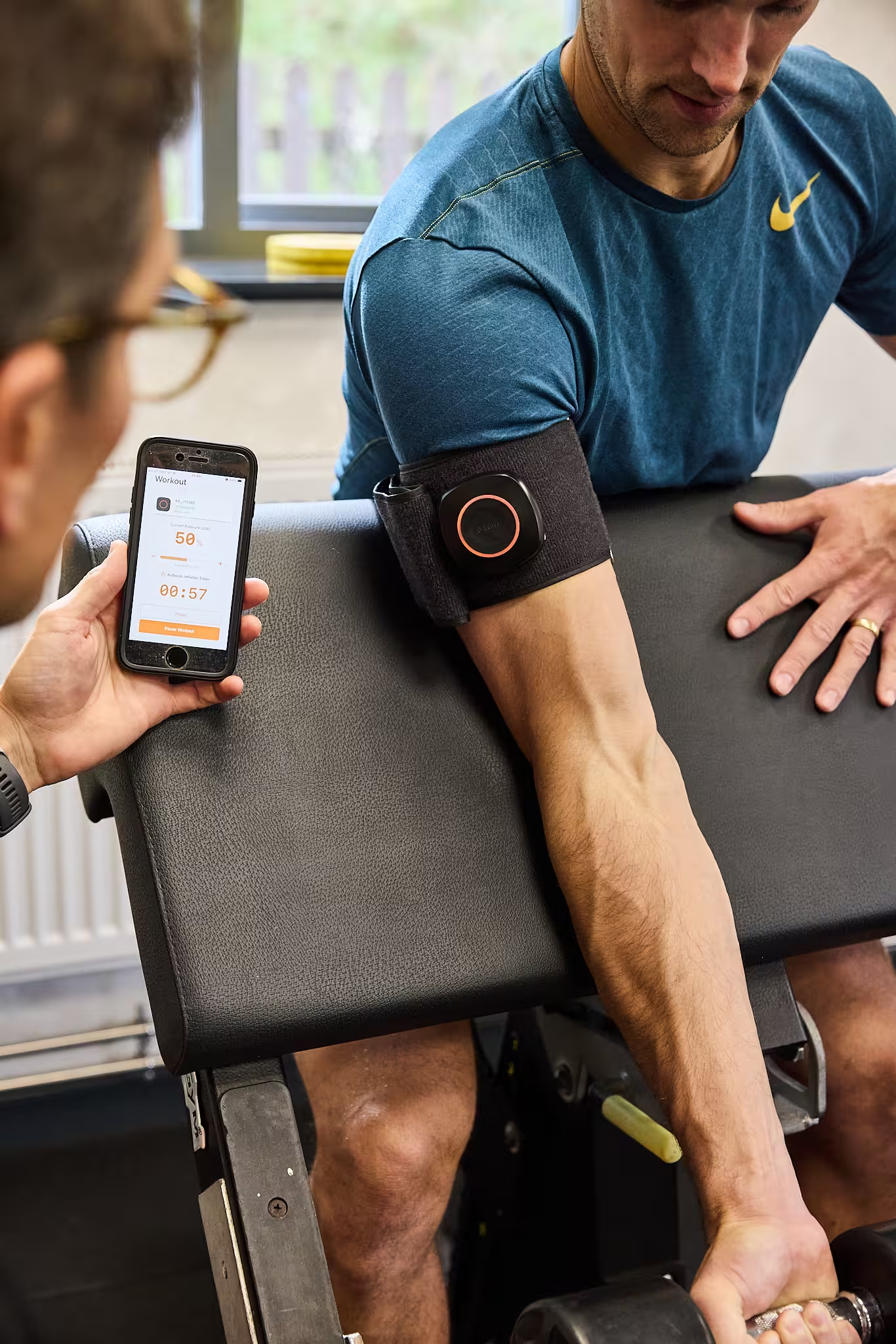
What Is Performance Testing?
Performance testing provides clarity. It allows us to move beyond guesswork and use objective data to guide rehabilitation, reduce injury risk, and support confident return to sport or activity.
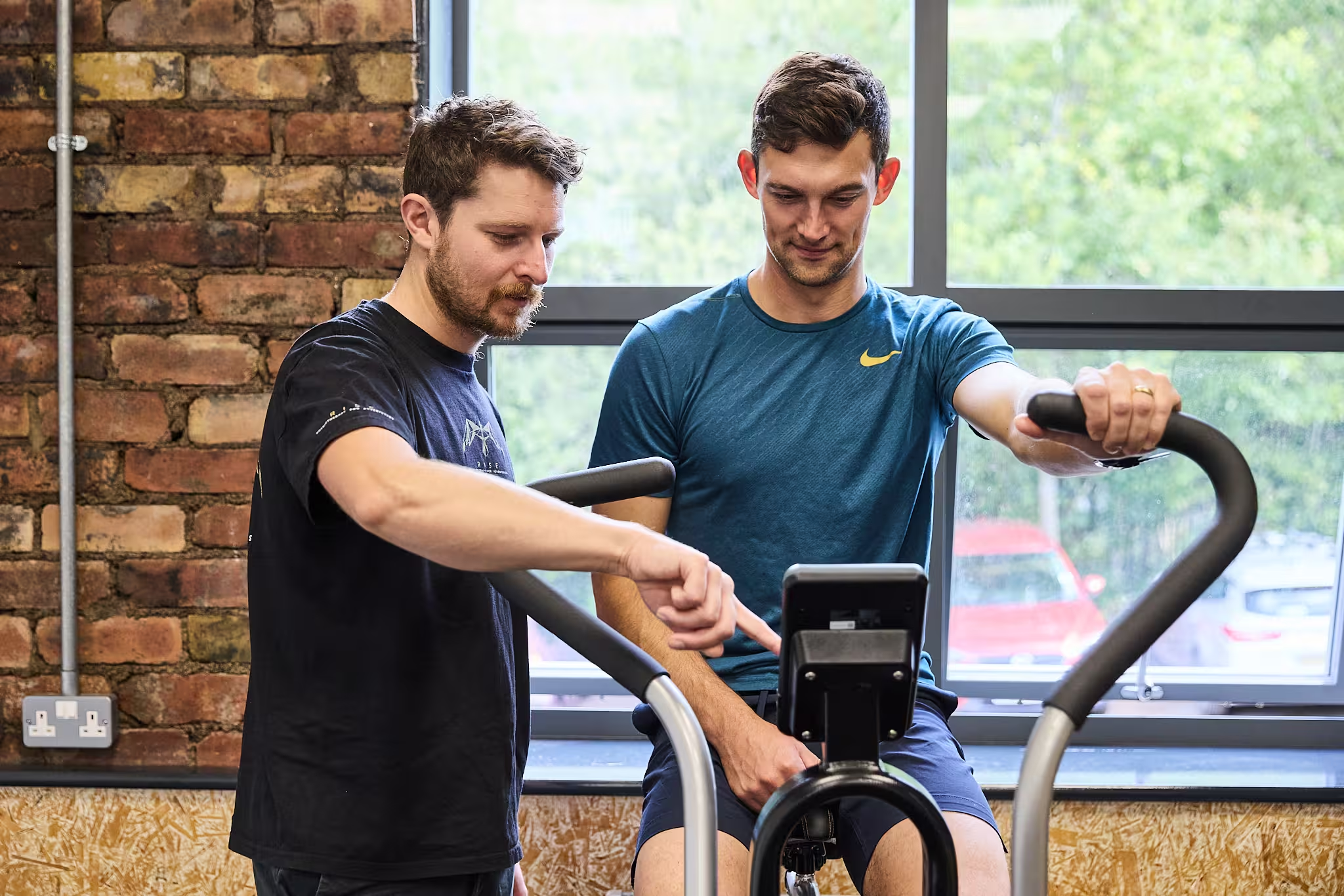
At Rise, performance testing is delivered by experienced physiotherapists and integrated directly into your care. Results are interpreted in context and used to shape clear, practical decisions.
Why Performance Testing Matters
Performance testing helps answer important questions:
- Are you strong enough to progress?
- Is there an imbalance that needs addressing?
- Are you ready to return to sport or work?
- Where should training or rehabilitation be focussed on?
By combining testing with clinical expertise, we ensure numbers translate into meaningful outcomes.
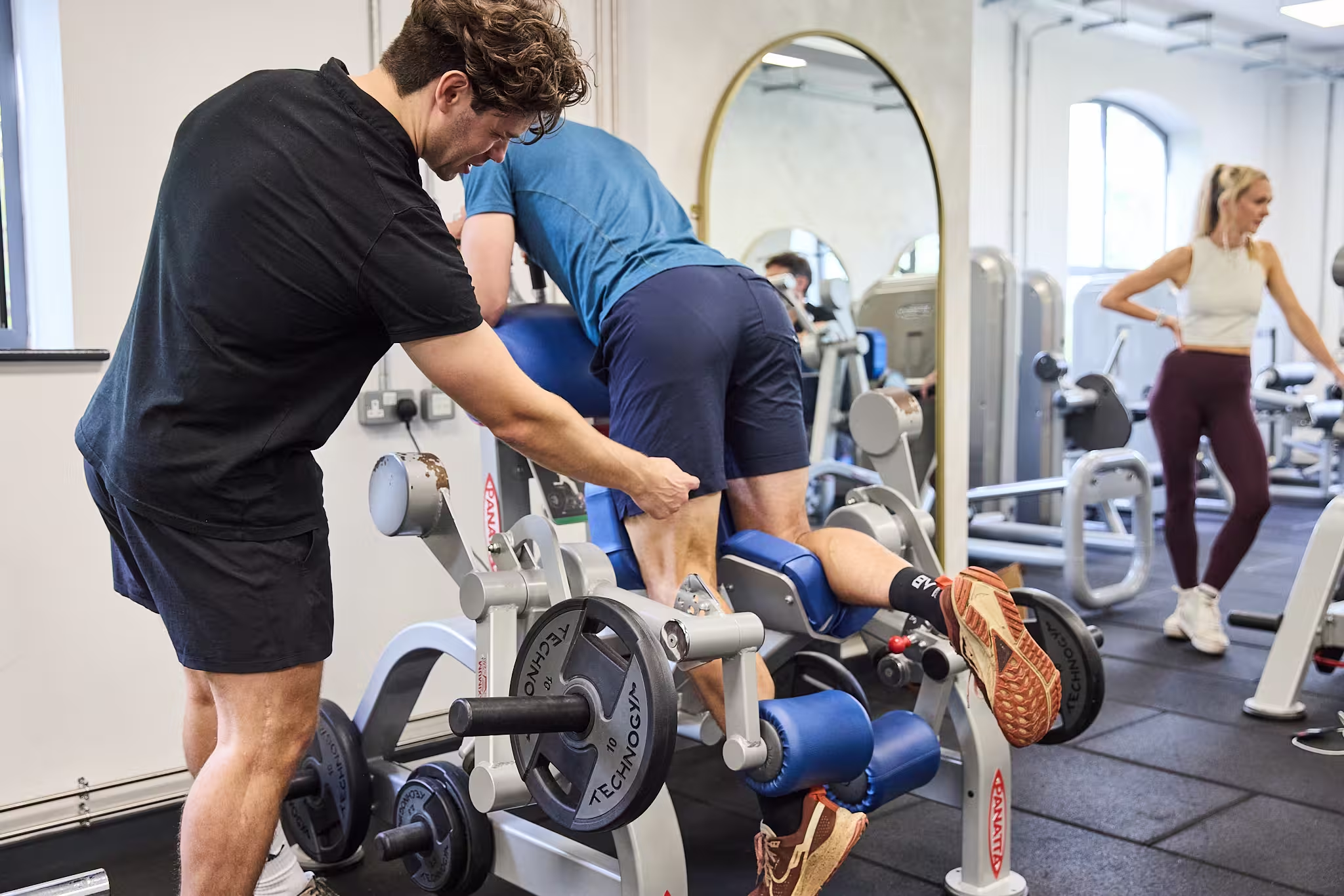
Digital Strength Testing - Lower Limb
Objective assessment for hips, knees and ankles
Lower limb digital strength testing provides precise measurement of force output and side-to-side symmetry in the hips, knees and ankles.
Common uses include:
- ACL and knee rehabilitation
- Hip and groin pain
- Achilles and ankle injuries
- Return-to-running and return-to-sport planning
Testing allows us to track progress over time and make informed progression decisions based on evidence, not assumptions.
Digital Strength Testing - Upper Limb
Reliable data for shoulders, elbows and arms
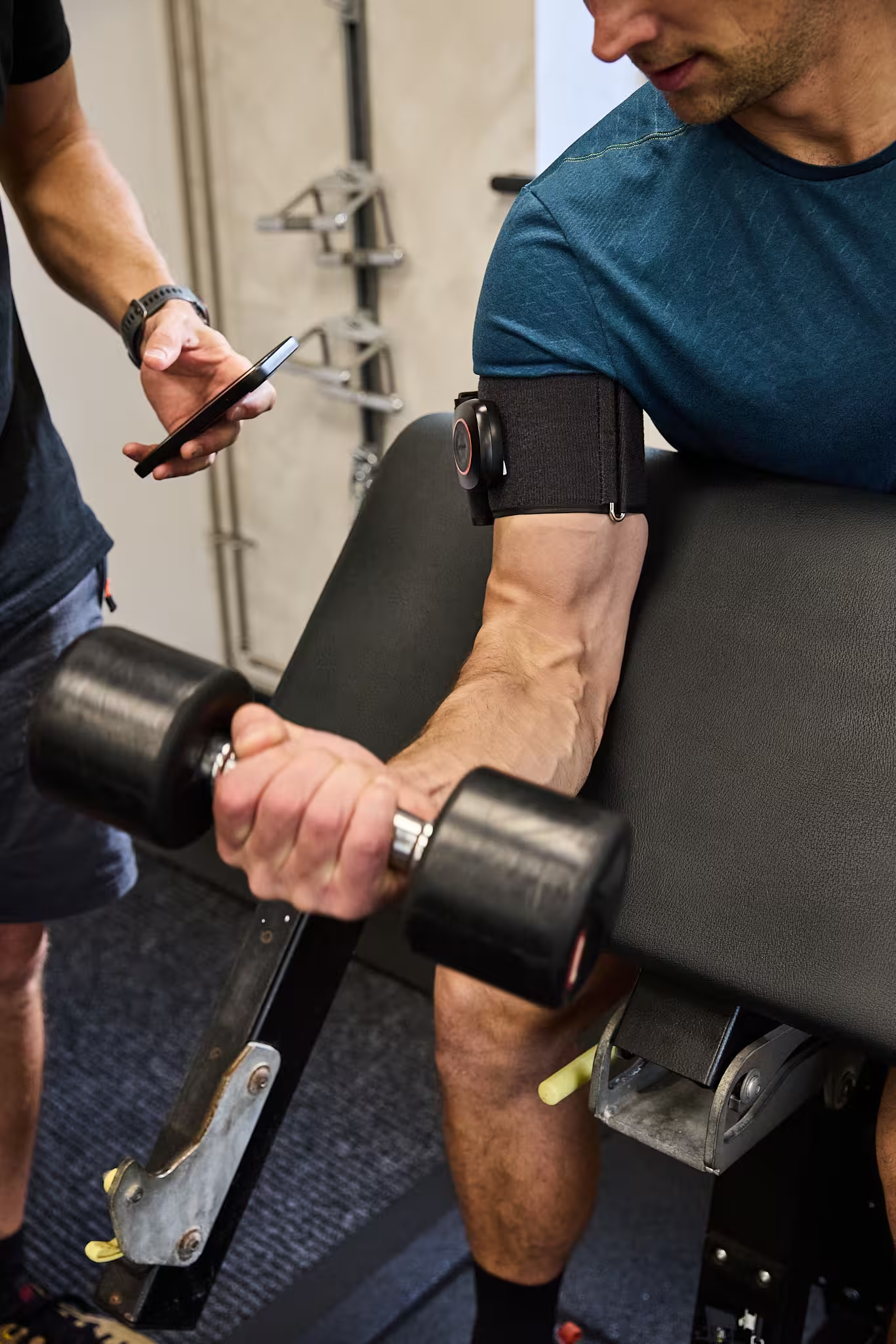
Upper limb testing quantifies strength in the shoulder, elbow and arm, areas where subjective assessment alone can be misleading.
This is particularly useful for:
- Shoulder and rotator cuff injuries
- Overhead and throwing athletes
- Post-surgical shoulder rehabilitation
- Load management and performance planning
Results show discrepancies that are not always obvious on physical examination alone, and guide targeted strengthening and return-to-activity decisions.
Digital Strength Testing - Wrist, Hand & Fingers
Precision testing for complex, high-demand structures
The wrist and hand play a crucial role in daily function and sport, yet are often under-tested.
We use digital strength testing to assess:
- Grip strength
- Wrist flexion and extension strength
- Hand and finger capacity
This is especially valuable for climbers, racket sport athletes, manual workers, and those recovering from hand or wrist injury.
Return to Play / Performance / Sport Testing
Confident decision-making at critical stages
Returning to sport or high-level activity too early increases the risk of re-injury. Our return-to-play testing combines objective measures with clinical reasoning to support safe progression.
Testing may include:
- Strength and power assessments
- Limb symmetry analysis
- Functional movement tasks
- Sport-specific considerations
This structured approach supports informed decisions for athletes, coaches, and individuals alike.
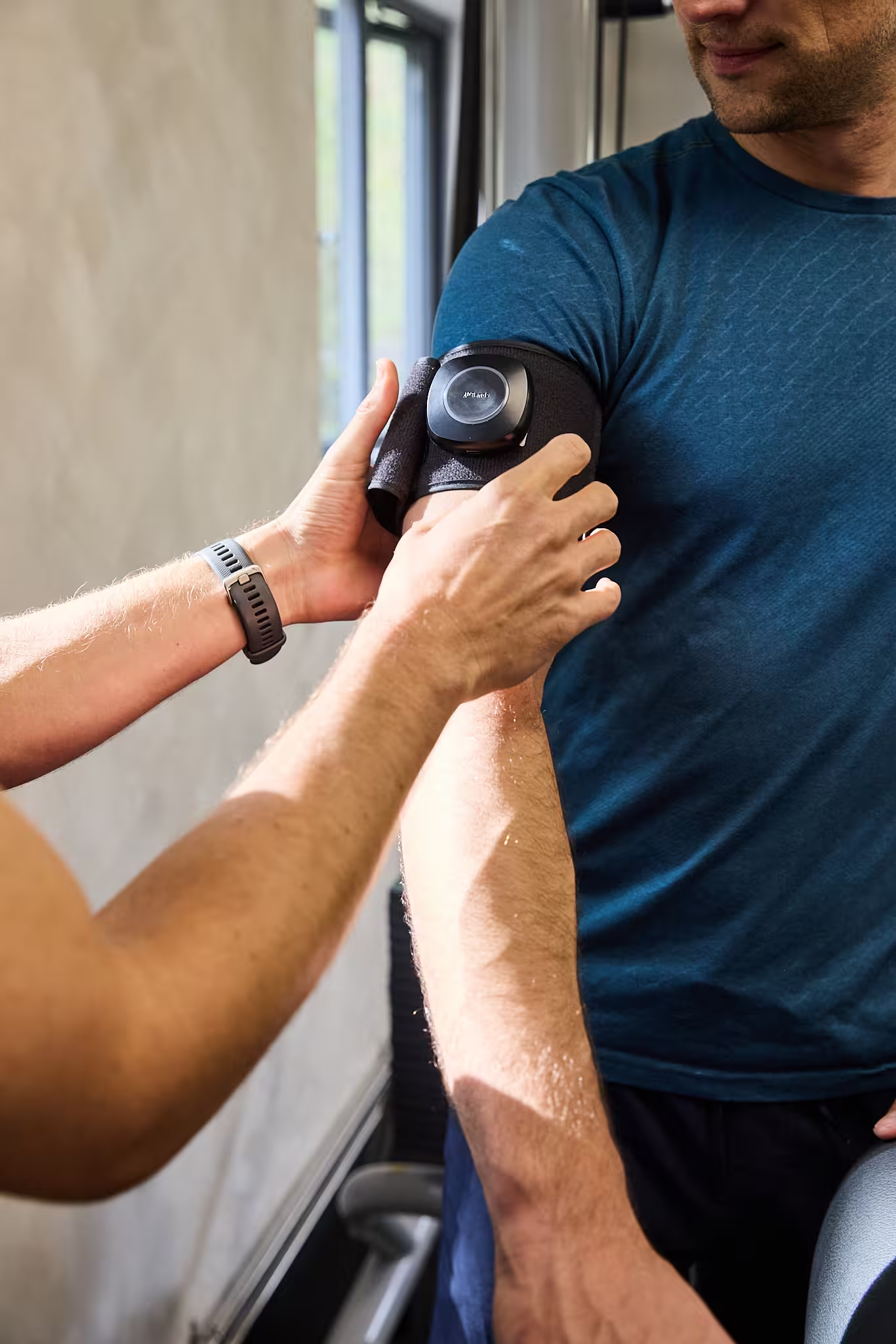
Strength Testing
Understanding capacity and guiding progression
General strength testing provides insight into overall physical capacity and highlights areas that may be limiting performance or recovery.
It is used to:
- Establish baselines
- Guide rehabilitation progression
- Support performance goals
- Monitor long-term change
Testing ensures training and rehab remain appropriately challenging and effective.
Movement Quality & Control Assessment
How you move matters as much as how strong you are
Strength alone doesn’t tell the full story. Movement quality assessment looks at how the body coordinates, controls load, and adapts under challenge.
This may include:
- Squat, hinge and lunge analysis
- Single-leg control tasks
- Upper limb control under load
These insights help refine rehabilitation and performance strategies.
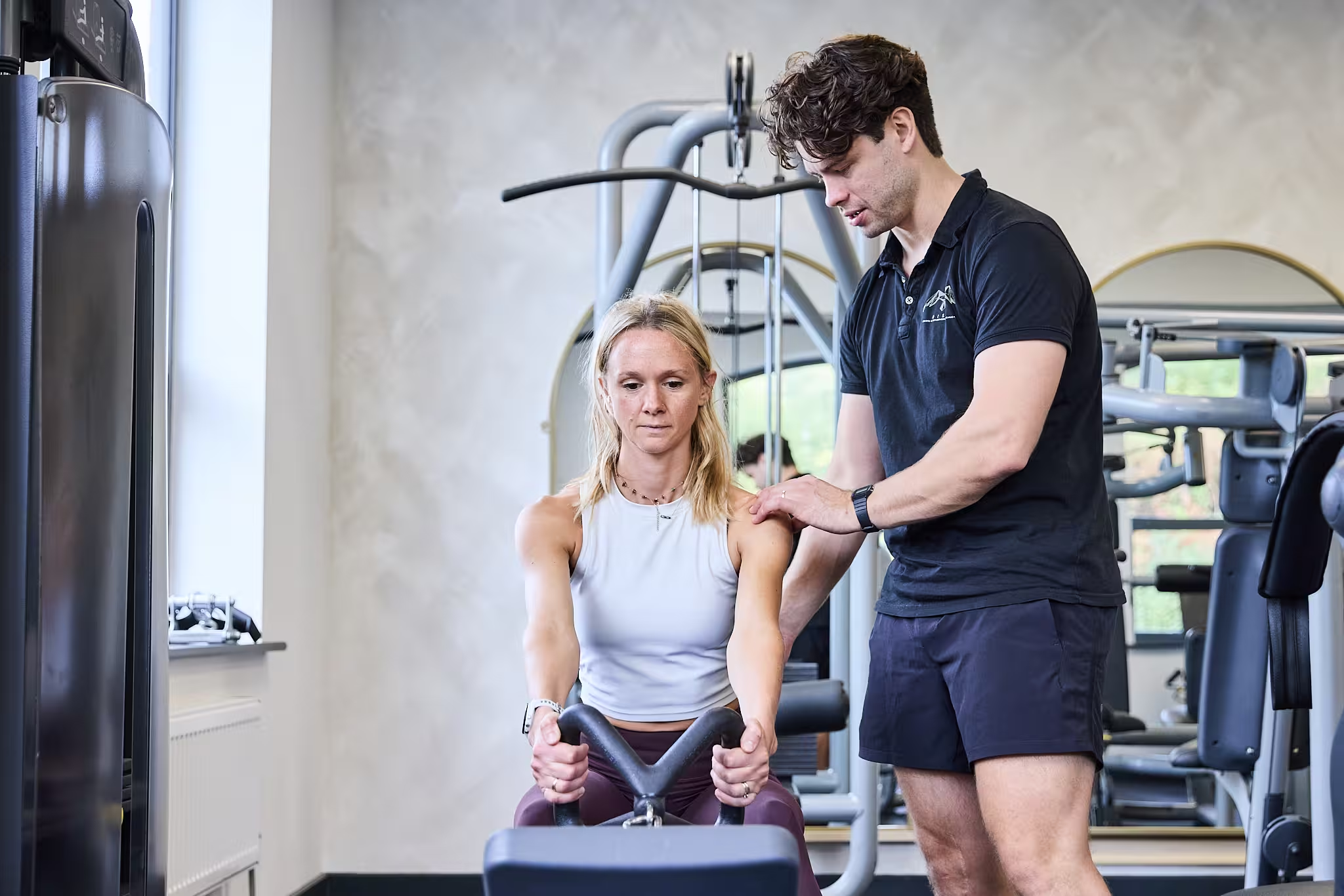
Endurance Strength Testing for Low Back Pain
Building confidence and resilience
Low back pain is often linked to reduced muscular endurance rather than isolated weakness.
We use endurance-based testing to assess:
- Trunk and spinal muscle capacity
- Fatigue resistance
- Control under sustained load
Results help guide targeted rehabilitation, reduce recurrence, and restore confidence in movement.
Injury Prevention
Identifying risk and building robustness
Performance testing plays a key role in injury prevention by identifying strength deficits, asymmetries, and capacity limitations before they become problematic.
We use testing to:
- Highlight modifiable risk factors
- Guide preventative programmes
- Support long-term physical resilience
This is particularly valuable for athletes, active individuals, and those in physically demanding roles.
How Performance Testing Fits Into Your Care
Performance testing may be used:
- As part of physiotherapy or rehabilitation
- To support return-to-sport decision-making
- As a standalone assessment
- For injury prevention or performance insight
Results are always explained clearly and translated into practical next steps.
Our Philosophy
Testing without interpretation is meaningless.
At Rise, performance testing is clinically driven, context-specific, and outcome-focused, supporting smarter decisions and better long-term results.